-
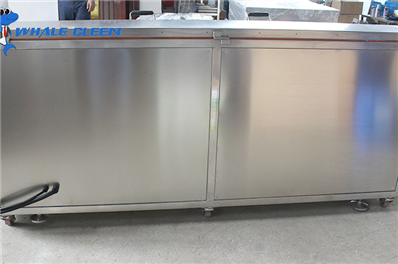 Why Are Ultrasonic Cleaning Machines Expensive?
Ultrasonic cleaning machines are widely used in various industries for their efficient and precise cleaning capabilities. However, their relatively high cost often raises questions. The following are the main factors contributing to the high cost of ultra
-
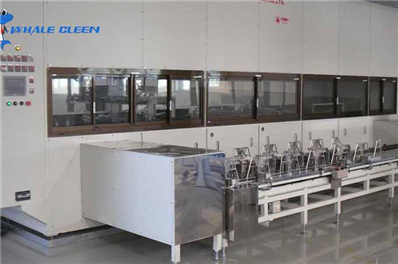 Same Ultrasonic Cleaning, Why Are Some Aerospace Fastener Yield Rates So Much Higher?
In aerospace manufacturing, few quality metrics are as unforgiving as fastener cleanliness. A single micro-fastener — a titanium alloy bolt, a high-strength steel screw, a threaded insert — can carry cutting fluids, lapping compounds, or microscopic metal
-
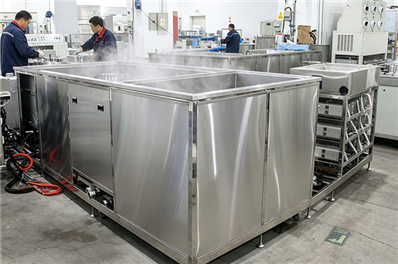 Hidden Contaminants in Hydraulic & Pneumatic Micro-Pores? Manual Scrubbing Wasting Time — Ultrasonic Cleaning Delivers Efficient Scaling Removal
In any hydraulic or pneumatic manufacturing facility, there is a recurring scenario that no production manager wants to face:A valve body passes every dimensional inspection. It looks flawless on the outside. It assembles smoothly. It ships to the custome
-
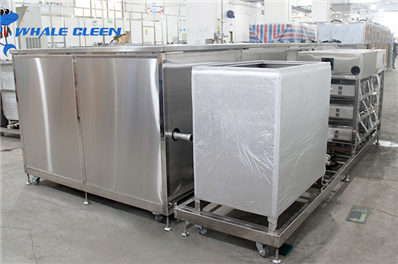 The Same Circuit Board, Different Results: Why Leading Electronics Manufacturers Are Switching to Industrial Ultrasonic Automatic Cleaning Machines
Look at the two PCBs. The first was cleaned with a manual brush and solvent dip. The second came from a fully automated ultrasonic cleaning line. To the naked eye, they look identical—solder joints shining, surfaces spotless, ready for assembly. But un
-
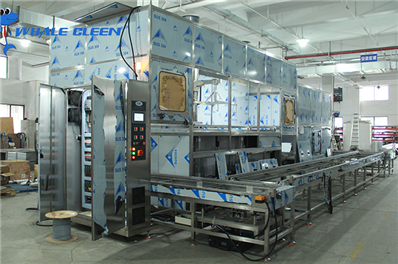 Want to Extend Turbine Disk Service Life? What Are the Key Selection Criteria for Ultrasonic Cleaning Machines?
In an aircraft engine overhaul shop, few components carry more weight—literally and metaphorically—than the turbine disk. Often described as the “backbone” of the engine, the turbine disk is a precision‑engineered component manufactured from nickel‑based
-
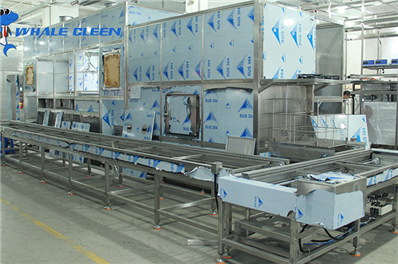 Ultrasonic Cleaning Machine for Aerospace Components: From High-Risk Traditional Methods to Non-Contact Degreasing That Safeguards Flight Safety
In the high-stakes world of aviation maintenance, cleaning is far from a routine chore — it is a direct pillar of flight safety. A single turbine blade contaminated with baked-on carbon deposits, a fuel nozzle with partially clogged orifices, or a hydraul
-
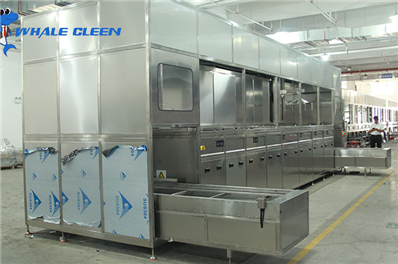 How to Choose a Fuel Injector Ultrasonic Cleaning Machine: A Practical Guide for Workshops and Engine Rebuilders
For automotive workshops, diesel service centers, and engine remanufacturing facilities, few problems are as common—and as frustrating—as clogged fuel injectors. Modern fuel injectors are precision components with microscopic spray holes (often 0.1–0.2 mm
-
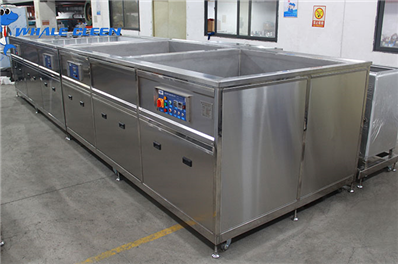 How to Choose a Fuel Injector Ultrasonic Cleaning Machine – A Practical Guide to Getting It Right
Fuel injectors are among the most precision-critical components in any modern engine. Over time, carbon deposits, varnish, and microscopic fuel residue accumulate inside the tiny orifices of the injector nozzle. These contaminants don't just reduce fu
-
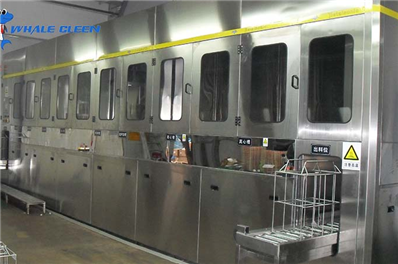 Is Ultrasonic Cleaner Power High? Why? Understanding Power Ratings and Their Impact on Cleaning Performance
Ultrasonic cleaners are widely used in industries ranging from manufacturing to healthcare, but many users wonder about their power consumption and why high power is often emphasized. Understanding the relationship between power and cleaning efficiency is
-
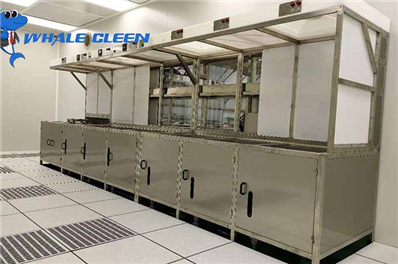 How to Choose the Right Power for Ultrasonic Cleaners: A Data-Driven Guide
Shocking Fact: 60% of Ultrasonic Cleaners Waste Energy Due to Wrong Power Selection A factory lost$47,000/yearin electricity costs because their 30kW cleaner only converted15% of energyinto effective cavitation. Meanwhile, another plant damaged delicat
-
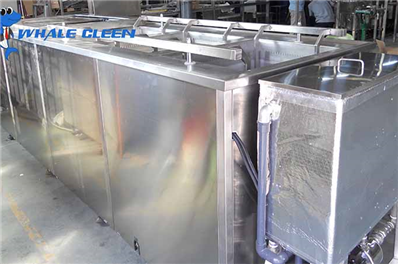 Ultrasonic Cleaner Intensity Testing: 5 Proven Methods for Accurate Measurement
1. Why Test Ultrasonic Cleaner Intensity? Impact on cleaning efficiency: Low intensity = poor contaminant removal; excessive intensity = part damage Industry standards: ISO 17223:2014 for ultrasonic power measurement
-
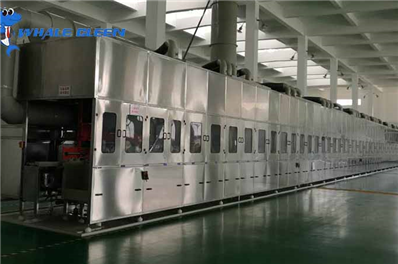 How to Use Ultrasonic Cleaners for Auto Repair: A Complete Guide to Cleaning Car Parts
1. Why Use Ultrasonic Cleaners in Auto Repair? Ultrasonic cleaning is10x fasterthan manual scrubbing (industry tests show 90%+ contaminant removal in 15 minutes). Benefits include: Deep cleaningof intricate parts (fuel injectors, turbo f